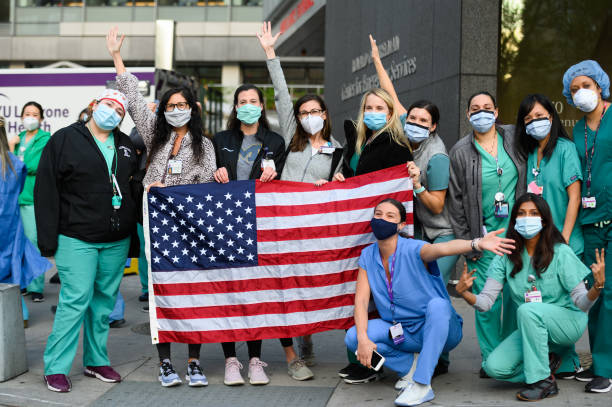
The United States healthcare system continues to expand at a rapid pace, driven by population growth, an aging demographic, and increasing demand for quality medical services. As a result, hospitals, clinics, and care facilities are actively recruiting international professionals to fill critical roles. In 2026, one of the most widely discussed opportunities is the potential to earn up to $120,000 through healthcare jobs that include visa sponsorship and financial support packages.
This opportunity is often described as a “$120,000 visa sponsorship grant,” but it’s important to understand what that actually means. In most cases, this figure represents a combination of salary, relocation assistance, bonuses, and long-term earning potential rather than a single lump-sum payment. For qualified healthcare professionals, however, the opportunity is real, substantial, and life-changing.
This article provides a complete and accurate guide to working in the United States healthcare sector through visa sponsorship, including job roles, salary expectations, visa pathways, application steps, and how to safely pursue legitimate opportunities.
Understanding the $120,000 Opportunity in Healthcare
The $120,000 figure associated with healthcare jobs in the United States reflects total compensation rather than a one-time grant. Employers in the healthcare sector are offering highly competitive packages to attract global talent due to persistent workforce shortages.
A typical compensation package may include:
- Annual salary based on role and experience
- Signing bonuses for high-demand positions
- Relocation assistance, including travel and housing support
- Overtime pay and shift differentials
- Performance bonuses and retention incentives
For many roles—especially experienced nurses, specialized technicians, and advanced practitioners—total annual earnings can reach or exceed $120,000.
Why the U.S. Healthcare System Is Hiring Foreign Workers
The United States is experiencing a significant shortage of healthcare professionals. This shortage is driven by several factors:
- Aging population requiring more medical care
- Increased demand for specialized healthcare services
- Retirement of experienced healthcare workers
- Expansion of healthcare facilities and services
To address these challenges, employers are increasingly offering visa sponsorship to qualified international candidates. This approach ensures continuity of care while creating opportunities for foreign professionals.
High-Demand Healthcare Jobs with Visa Sponsorship
The U.S. healthcare sector offers a wide range of opportunities for foreign workers, from entry-level support roles to highly specialized positions.
Registered Nurses (RNs)
Registered nurses are among the most in-demand healthcare professionals. Hospitals and clinics across the United States actively recruit international nurses and often provide full visa sponsorship.
Nurses can earn competitive salaries, with additional income from overtime, night shifts, and specialized roles. Experienced nurses working in high-demand areas can approach or exceed the $120,000 mark.
Physicians and Medical Specialists
Doctors and specialists are highly valued in the U.S. healthcare system. While the licensing process can be rigorous, the rewards are substantial.
Specialists such as anesthesiologists, surgeons, and psychiatrists often earn significantly higher incomes, well beyond the $120,000 level.
Allied Health Professionals
This category includes:
- Medical laboratory technicians
- Radiologic technologists
- Physical therapists
- Occupational therapists
These roles are essential to patient care and are in strong demand, with many employers offering visa sponsorship.
Caregivers and Nursing Assistants
While these roles may offer lower starting salaries, they provide an entry point into the healthcare system. With experience and additional training, workers can progress to higher-paying positions.
Visa Sponsorship Options for Healthcare Workers
To work legally in the United States, foreign healthcare professionals must obtain the appropriate visa. Several options are available depending on qualifications and job offers.
H-1B Visa
The H-1B visa is designed for highly skilled professionals in specialized fields, including healthcare. It is commonly used for roles requiring advanced degrees or specialized knowledge.
EB-3 Visa (Employment-Based Immigration)
The EB-3 visa is a popular option for healthcare workers, especially nurses. It provides a pathway to permanent residency and allows foreign workers to live and work in the United States long-term.
TN Visa (For Eligible Countries)
Certain healthcare professionals may qualify for specialized visa categories depending on their nationality and profession.
Salary Expectations Across Healthcare Roles
Healthcare salaries in the United States vary widely based on role, experience, and location. However, the overall earning potential is among the highest globally.
- Registered nurses can earn strong salaries with opportunities for overtime
- Medical specialists often earn six-figure incomes
- Allied health professionals receive competitive compensation
- Entry-level roles provide steady income with growth potential
With the addition of bonuses and overtime, many professionals can reach or exceed $120,000 annually.
What Is Included in Visa Sponsorship Packages
Employers offering visa sponsorship often provide comprehensive support to attract international talent.
Typical benefits include:
- Visa application assistance
- Airfare and relocation support
- Temporary housing upon arrival
- Licensing and certification assistance
- Orientation and training programs
These benefits reduce the financial and logistical burden of relocating to the United States.
Cost of Living in the United States
While healthcare jobs offer high earning potential, it’s important to consider living expenses.
Common costs include:
- Housing or rent
- Food and daily expenses
- Transportation
- Health insurance
Despite these costs, many healthcare professionals are able to maintain a comfortable lifestyle and save money, especially in regions with lower living expenses.
How to Apply for Healthcare Jobs with Visa Sponsorship
Securing a healthcare job in the United States requires careful planning and preparation.
Step 1: Verify Your Qualifications
Ensure that your education and certifications meet U.S. standards. Some roles require additional exams or licensing.
Step 2: Prepare a Professional CV
Highlight your experience, skills, and certifications relevant to the role.
Step 3: Search for Employers Offering Sponsorship
Focus on hospitals and healthcare organizations that actively recruit international candidates.
Step 4: Apply Through Trusted Channels
Use reputable job platforms and recruitment agencies.
Step 5: Complete Licensing Requirements
Certain roles require passing exams or obtaining state licenses.
Step 6: Begin the Visa Process
Work with your employer to complete the necessary visa application steps.
Avoiding Scams and Fraudulent Offers
High-paying opportunities often attract scams. To protect yourself:
- Avoid offers that guarantee jobs without interviews
- Do not pay large upfront fees
- Verify employer credentials
- Use official government resources for visa information
Legitimate opportunities follow clear and transparent processes.
Benefits of Working in U.S. Healthcare
Working in the United States healthcare system offers numerous advantages:
High Income Potential
Healthcare professionals can earn competitive salaries with opportunities for growth.
Career Advancement
Access to advanced training and specialization enhances career prospects.
Job Stability
Healthcare is an essential sector with consistent demand.
Pathway to Permanent Residency
Many visa programs lead to long-term settlement opportunities.
Global Experience
Working in the U.S. enhances professional credibility worldwide.
Challenges to Consider
While the opportunities are significant, there are challenges:
Licensing Requirements
Some roles require additional exams and certifications.
Workload
Healthcare jobs can be demanding, especially in high-pressure environments.
Cultural Adjustment
Adapting to a new healthcare system and work culture takes time.
Future Outlook for 2026 and Beyond
The demand for healthcare professionals in the United States is expected to continue growing. Advances in medical technology, population growth, and ongoing workforce shortages will create sustained opportunities for foreign workers.
This makes 2026 an ideal time to explore healthcare careers in the United States.
Conclusion
The opportunity to earn up to $120,000 through healthcare jobs with visa sponsorship in the United States is both realistic and achievable for qualified professionals. While the figure represents total compensation rather than a direct grant, it highlights the strong earning potential available in the sector.
By understanding the process, preparing effectively, and pursuing legitimate opportunities, foreign healthcare workers can build successful and rewarding careers in one of the world’s most advanced healthcare systems.