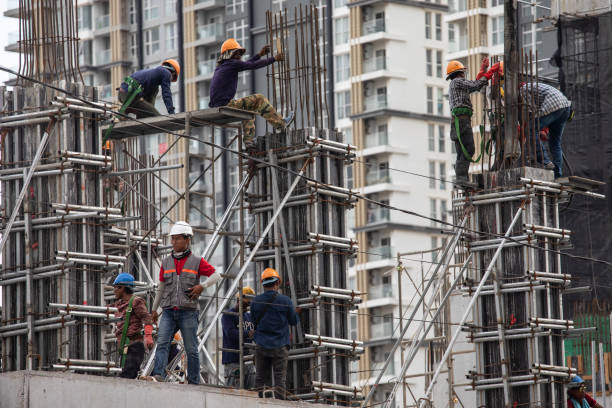
Relocating to the United States for work has long been a goal for millions of skilled and unskilled workers around the world. In 2026, that goal is becoming more achievable through growing demand in the construction industry and expanded access to visa sponsorship programs. Among the most attention-grabbing opportunities is the potential to earn up to $120,000 while working in construction roles in the United States.
This figure often captures attention quickly, but it’s important to understand what it truly represents. Rather than a single upfront payment, the $120,000 opportunity reflects a combination of high annual earnings, overtime pay, bonuses, and long-term income potential in a sector that is experiencing consistent growth and labor shortages.
This article provides a complete, accurate, and practical guide to understanding how foreign workers can access construction jobs in the United States through visa sponsorship, what earning potential looks like, and how to navigate the process safely and successfully.
Understanding the $120,000 Opportunity
The idea of earning $120,000 through construction work in the United States is not unrealistic—but it depends on several key factors. This level of income is typically achieved by skilled workers, experienced professionals, or individuals who take advantage of overtime opportunities and long-term contracts.
In most cases, the total earning potential comes from a combination of:
- Competitive base salary or hourly wages
- Overtime pay for extended working hours
- Performance bonuses or completion incentives
- Relocation assistance and employer support
- Long-term employment contracts with wage progression
For example, a highly skilled construction professional working full-time with overtime in a high-demand region can realistically approach or exceed this income level annually.
Why the U.S. Construction Industry Is Recruiting Foreign Workers
The United States construction sector continues to expand due to increasing demand for infrastructure, housing, and commercial development. However, there is a shortage of available local workers to meet this demand.
Several factors are driving this shortage:
- Retirement of experienced workers
- Increased investment in infrastructure and real estate
- Growth in renewable energy and industrial construction
- Limited number of trained skilled tradespeople
As a result, employers are increasingly turning to foreign workers to fill critical roles. Visa sponsorship has become a key strategy for addressing labor gaps while maintaining project timelines.
High-Paying Construction Jobs for Foreign Workers
Construction is a broad field with opportunities for both entry-level workers and highly skilled professionals. The highest earning potential is typically found in specialized roles.
Skilled Trades with High Income Potential
Skilled trades are among the most lucrative positions in construction. These roles require training, certification, or experience and are often eligible for visa sponsorship.
Examples include:
- Electricians
- Plumbers
- Welders
- HVAC technicians
- Heavy equipment operators
- Structural steel workers
Workers in these roles can command high hourly wages, especially when working on large-scale or specialized projects.
Construction Management and Supervisory Roles
Experienced professionals can move into leadership positions such as:
- Construction managers
- Site supervisors
- Project coordinators
- Safety officers
These roles offer higher salaries and often come with additional benefits such as bonuses and long-term contracts.
General Labor and Entry-Level Opportunities
For those without specialized skills, entry-level jobs provide a pathway into the industry.
These roles include:
- Construction laborers
- Site assistants
- Material handlers
- Clean-up crews
While starting wages may be lower, workers can increase their income over time by gaining experience and learning new skills.
Visa Sponsorship Options for Construction Workers
Foreign workers must obtain the appropriate visa to work legally in the United States. Several visa programs support construction employment.
H-2B Temporary Work Visa
The H-2B visa allows U.S. employers to hire foreign workers for temporary non-agricultural jobs, including construction.
Key features:
- Employer-sponsored application
- Seasonal or project-based employment
- Renewable under certain conditions
This visa is commonly used for construction projects requiring additional labor.
EB-3 Employment-Based Visa
The EB-3 visa offers a pathway to permanent residency for foreign workers.
It includes:
- Skilled workers with experience
- Professionals with degrees
- Unskilled workers for entry-level roles
This option is particularly attractive for those seeking long-term stability in the United States.
Salary Breakdown and Earning Potential
Earnings in construction vary widely depending on experience, role, and location. However, the potential to reach high income levels is one of the industry’s strongest attractions.
- Skilled workers often earn high hourly wages with overtime opportunities
- Supervisors and managers receive higher annual salaries
- Specialized roles in infrastructure and energy projects offer premium pay
- Overtime and bonuses significantly increase total income
In some cases, workers who consistently take on overtime or work on high-demand projects can reach or exceed $120,000 annually.
What Relocation Packages Typically Include
Employers offering visa-sponsored construction jobs often provide relocation support to attract foreign workers.
These packages may include:
- Airfare to the United States
- Temporary housing upon arrival
- Assistance with visa processing
- Transportation support
- Initial living allowances
Such support reduces the financial burden of relocating and helps workers transition smoothly into their new roles.
Cost of Living in the United States
While earnings can be high, it’s important to consider the cost of living. Expenses vary by location, with major cities typically being more expensive.
Common expenses include:
- Rent and housing
- Food and groceries
- Transportation
- Healthcare and insurance
Despite these costs, many construction workers are able to save money, particularly when working overtime or sharing accommodation.
How to Find Legitimate Opportunities
With high-paying opportunities comes the risk of scams. It’s essential to approach job searches carefully.
To ensure safety:
- Use reputable job platforms
- Verify employer credentials
- Work with licensed recruitment agencies
- Avoid paying large upfront fees
- Follow official visa application procedures
Legitimate employers will not guarantee unrealistic earnings or bypass legal requirements.
Benefits of Working in U.S. Construction
Working in construction in the United States offers several advantages:
High Income Potential
Workers can earn competitive wages, especially in skilled roles.
Career Growth
Opportunities exist to advance into higher-paying positions.
Skill Development
Hands-on experience enhances professional capabilities.
Pathway to Residency
Certain visas provide long-term settlement opportunities.
Global Experience
Working in the U.S. adds value to future career prospects.
Challenges to Consider
While the opportunities are attractive, there are challenges:
Physical Work
Construction jobs can be physically demanding.
Weather Conditions
Outdoor work may involve exposure to harsh environments.
Visa Limitations
Temporary visas may restrict long-term employment.
Cultural Adjustment
Adapting to a new country requires time and effort.
Practical Steps to Get Started
To pursue this opportunity:
- Assess your skills and experience
- Prepare a professional CV
- Search for visa-sponsored construction jobs
- Apply through trusted channels
- Prepare for interviews
- Complete visa application requirements
A structured approach increases the likelihood of success.
Future Outlook for 2026 and Beyond
The demand for construction workers in the United States is expected to remain strong. Infrastructure projects, housing development, and economic growth will continue to drive the need for labor.
This creates ongoing opportunities for foreign workers to secure employment, earn competitive income, and build long-term careers.
Conclusion
The opportunity to earn up to $120,000 through construction jobs in the United States is achievable under the right conditions. While it is not a guaranteed upfront payment, it reflects the strong earning potential available in a high-demand industry.
By understanding visa pathways, preparing effectively, and pursuing legitimate opportunities, foreign workers can take advantage of this growing demand and build a successful future.