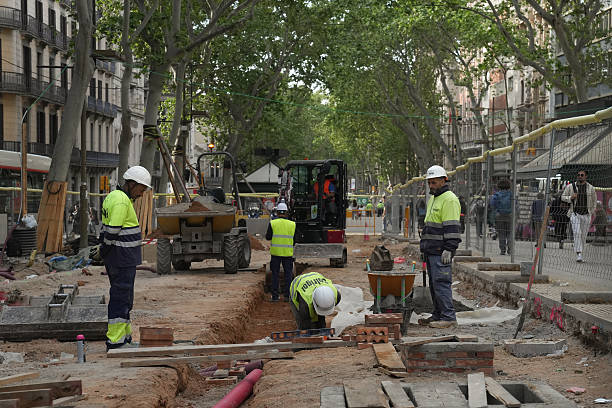
Spain continues to attract international workers seeking stable employment, competitive wages, and a high quality of life. In 2026, the country’s construction sector is expanding rapidly due to infrastructure development, housing demand, and investment in renewable energy projects. This growth has created new opportunities for foreign workers, including roles that can generate total annual earnings of up to €55,000 under the right conditions.
While the idea of earning €55,000 may sound like a fixed salary, it typically represents a combination of wages, overtime, bonuses, and long-term contracts. For skilled and dedicated workers, reaching this level of income is achievable, especially in high-demand construction roles supported by visa sponsorship.
This guide explains how these opportunities work, what jobs are available, how visa sponsorship operates in Spain, and how to position yourself for success.
Understanding the €55,000 Earning Potential
The €55,000 figure is best understood as total annual earning potential rather than a guaranteed base salary. Construction jobs in Spain vary widely depending on experience, specialization, and location.
Workers can reach higher income levels through:
- Competitive hourly or monthly wages
- Overtime pay for extended working hours
- Project-based bonuses
- Long-term employment contracts
- Specialized skills in high-demand areas
For example, a skilled tradesperson working on large infrastructure projects and taking advantage of overtime opportunities can significantly increase their annual income.
Why Spain Is Hiring Foreign Construction Workers
Spain’s construction industry is experiencing a strong recovery and growth phase. Several factors are driving the demand for workers:
- Expansion of residential and commercial real estate
- Government investment in infrastructure
- Growth in renewable energy projects such as solar and wind farms
- Shortage of local skilled labor
As a result, employers are increasingly open to hiring foreign workers, particularly when they cannot find suitable candidates locally. Visa sponsorship becomes a key tool in filling these labor gaps.
Types of Construction Jobs Available
Construction offers a wide range of roles suitable for both skilled professionals and entry-level workers.
Skilled Trades
Skilled workers are in the highest demand and often earn the most competitive wages.
Common roles include:
- Electricians
- Plumbers
- Welders
- Carpenters
- Bricklayers
- Heavy equipment operators
These positions typically require prior experience or training and are more likely to qualify for visa sponsorship.
Construction Supervisors and Managers
Experienced professionals can take on leadership roles such as:
- Site supervisors
- Project managers
- Safety officers
These positions offer higher salaries and often include additional benefits.
General Labor and Entry-Level Roles
For those without specialized skills, entry-level roles provide an opportunity to enter the industry.
Examples include:
- Construction laborers
- Material handlers
- Site assistants
- Clean-up crew members
While starting wages may be lower, workers can increase their earnings by gaining experience and skills.
Visa Sponsorship for Construction Jobs in Spain
Foreign workers must obtain the appropriate work authorization to be employed legally in Spain. Visa sponsorship typically involves an employer supporting your application by offering a job and proving that the position cannot be filled locally.
Work Visa for Employed Workers
This is the most common pathway. It requires:
- A valid job offer from a Spanish employer
- Employer sponsorship for the visa application
- Approval from Spanish authorities
EU Blue Card (For Highly Skilled Workers)
Highly qualified professionals may apply for the EU Blue Card, which offers additional benefits such as mobility within the European Union and a pathway to long-term residency.
Seasonal Work Permits
For short-term construction or related work, seasonal permits may be available depending on the project and labor demand.
Salary Expectations in Spain’s Construction Sector
Construction salaries in Spain depend on several factors, including experience, job type, and location.
- Skilled workers earn higher wages, especially in specialized roles
- Supervisors and managers receive strong salaries with benefits
- Entry-level workers earn steady income with opportunities for overtime
Overtime and bonuses play a significant role in increasing total earnings, making it possible for some workers to approach or reach €55,000 annually.
Cost of Living in Spain
Spain offers a relatively affordable cost of living compared to many Western European countries.
Common expenses include:
- Housing and rent
- Food and groceries
- Transportation
- Healthcare
Workers who manage their expenses carefully, particularly those with employer-provided accommodation, can maintain a comfortable lifestyle and save money.
Benefits of Working in Spain
Competitive Earnings
Construction jobs offer solid income, especially for skilled workers.
Work-Life Balance
Spain is known for a relaxed lifestyle and balanced work culture.
Career Growth
Workers can gain experience and move into higher-paying roles.
Pathway to Residency
Long-term employment can lead to permanent residency opportunities.
Cultural Experience
Living in Spain provides exposure to a rich culture and diverse environment.
Challenges to Consider
Language Barrier
Basic knowledge of Spanish can improve job prospects and integration.
Physical Work
Construction jobs require stamina and physical effort.
Temporary Contracts
Some roles may be project-based.
Administrative Processes
Visa applications can take time and require proper documentation.
How to Find Construction Jobs with Visa Sponsorship
Online Job Platforms
Search for construction roles that mention visa sponsorship.
Recruitment Agencies
Work with agencies that specialize in international placements.
Direct Applications
Apply directly to construction companies and contractors.
Networking
Connect with professionals in the industry to discover opportunities.
Avoiding Scams
To protect yourself:
- Verify employer credentials
- Avoid paying large upfront fees
- Be cautious of unrealistic salary promises
- Use official visa channels
Legitimate employers follow transparent hiring and immigration processes.
Step-by-Step Application Process
Step 1: Assess Your Skills
Determine your level of experience and suitability for available roles.
Step 2: Prepare Your CV
Highlight relevant construction experience and skills.
Step 3: Apply for Jobs
Focus on employers offering visa sponsorship.
Step 4: Attend Interviews
Be prepared to discuss your experience and availability.
Step 5: Secure a Job Offer
Ensure the offer includes details about visa sponsorship.
Step 6: Complete Visa Application
Work with your employer to submit required documents.
Future Outlook for 2026 and Beyond
Spain’s construction sector is expected to continue growing, driven by infrastructure projects and housing demand. This growth will sustain the need for workers, including foreign professionals.
Opportunities for visa-sponsored employment are likely to remain available, especially for skilled workers who can meet industry demands.
Conclusion
The opportunity to earn up to €55,000 through construction jobs in Spain is achievable for workers with the right skills, experience, and dedication. While this figure represents total earning potential rather than a guaranteed salary, it highlights the strong opportunities available in a growing industry.
By understanding the job market, preparing effectively, and pursuing legitimate opportunities, foreign workers can build stable and rewarding careers in Spain.